
Best Practices for Food Safety
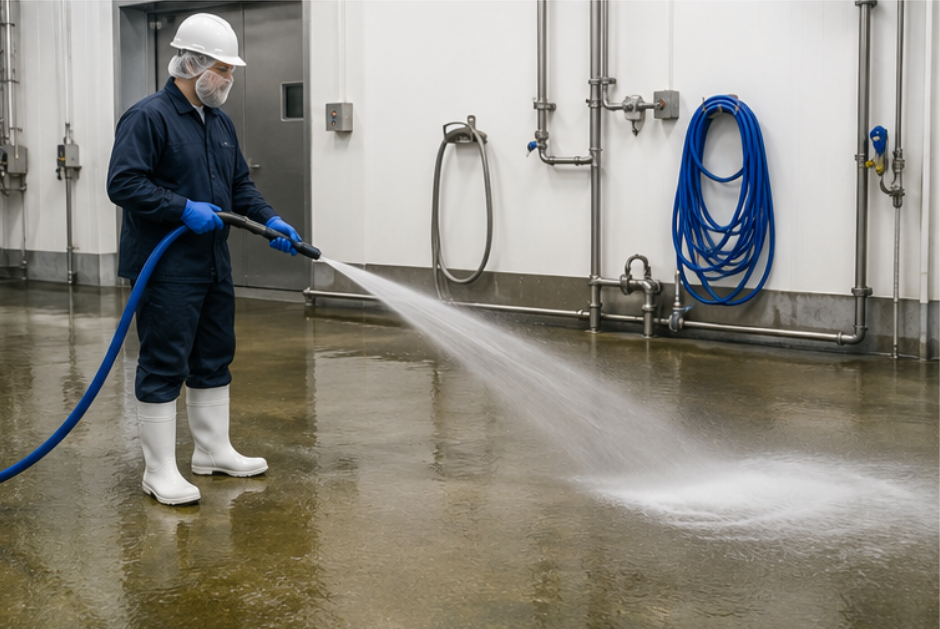
Keeping a dairy or cheese processing facility clean isn’t just about appearance, it’s about protecting product quality, supporting food safety, and keeping production running efficiently. From butterfat and milkstone buildup to wet processing environments and limited sanitation crews, today’s facilities face challenges that require more than routine cleaning.
Common dairy soils such as butterfat, whey residue, proteins, and milkstone can quickly build up on equipment, processing lines, floors, and drains if not properly managed.
With increasing pressure to do more with fewer employees, many facilities are looking for ways to simplify their cleaning procedures while maintaining the high sanitation standards expected throughout the industry.
Common Sanitation Challenges in Dairy Processing
Dairy processing creates soils that require specialized cleaning products and procedures. Butterfat, proteins, mineral deposits, whey residue, and milkstone can quickly accumulate on equipment and processing surfaces if not properly removed.
In addition, cold and wet production areas require extra attention to help reduce the risk of environmental contamination and support a safe food production environment.
Developing an effective sanitation program means selecting the right products for each application and ensuring they are used consistently throughout the facility.
✔ Three Keys to Effective Dairy & Cheese Sanitation
Focus on environmental surfaces. Floors, drains, and entryways should be cleaned consistently to help reduce soil and moisture buildup.
Use the right cleaner for the soil. Butterfat, proteins, and milkstone each require different cleaning approaches for the best results.
Stay consistent. Proper dilution, employee training, and standardized cleaning procedures help support food safety and operational efficiency.
Don’t Overlook Environmental Surfaces
When sanitation schedules get busy, it’s easy to focus on food-contact equipment first. However, environmental surfaces deserve just as much attention because they can accumulate moisture and soils over time.
Areas that should be cleaned regularly include:
- Floors
- Drains
- Entryways
- Equipment wheels and casters
- Other hard-to-reach areas where moisture and soils can collect
Keeping these areas clean helps support an overall sanitation program and contributes to a cleaner production environment.
Matching the Right Chemistry to Dairy Soils
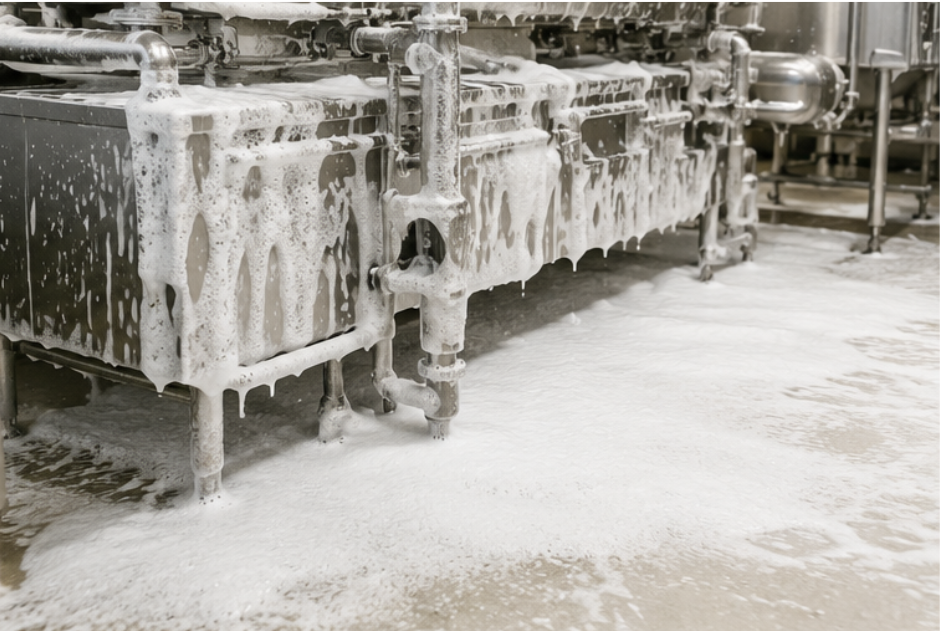
No single cleaner is designed to tackle every type of soil found in a dairy or cheese processing facility. Using the same cleaner throughout an entire facility may seem convenient, but it often isn’t the most effective approach for the wide variety of soils found in dairy processing.
Selecting the appropriate chemistry for each application helps improve cleaning efficiency while supporting consistent sanitation results.
For example:
- Alkaline cleaners help remove heavy fats and protein soils.
- Acid cleaners are effective for removing milkstone and mineral deposits.
- Foaming cleaners provide extended contact time on open equipment and vertical surfaces.
- CIP detergents and food-contact sanitizers help support efficient cleaning and sanitation throughout processing systems.
Matching the product to the soil helps improve cleaning efficiency, reduce unnecessary labor, and support a more consistent cleaning program.
A Complete Sanitation Program
An effective sanitation program is about more than just chemical products. Proper dilution, employee training, consistent procedures, and reliable documentation all contribute to maintaining a clean facility and supporting food safety programs.
Every dairy and cheese facility has unique equipment, water conditions, production schedules, and sanitation challenges. Finding the right combination of products, procedures, and technical support can help create a more efficient sanitation program while supporting your food safety goals.
Whether you’re evaluating your current sanitation program or planning for future improvements, DeVere is here to help. Contact us at 1-800-833-8373 or visit DeVereChemical.com to learn how our cleaning and sanitizing solutions can support your facility’s goals.